2026 State Financial Investments Dashboard
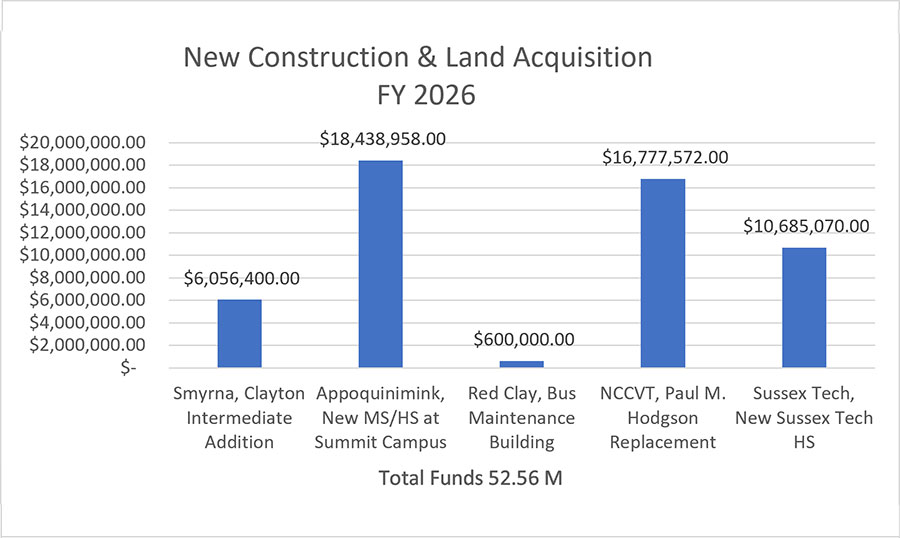
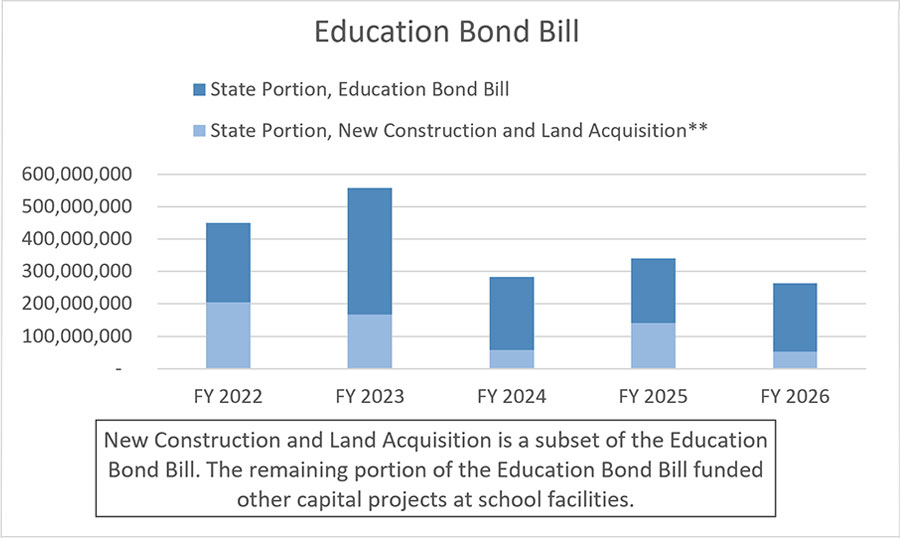
In Fiscal Year (FY) 2026, the Delaware Department of Education allocated $211.2 million in capital expenditures for public education, with $52.6 million designated for new construction and land acquisition. Key projects included new schools such as Appoquinimink new Middle School / High School at summit campus and Paul M Hodgson Vocational Tech High School replacement. Total public school enrollment was at 140,830, and charter school enrollment continued to rise, reflecting a robust commitment to enhancing educational facilities and expanding opportunities for students throughout Delaware.
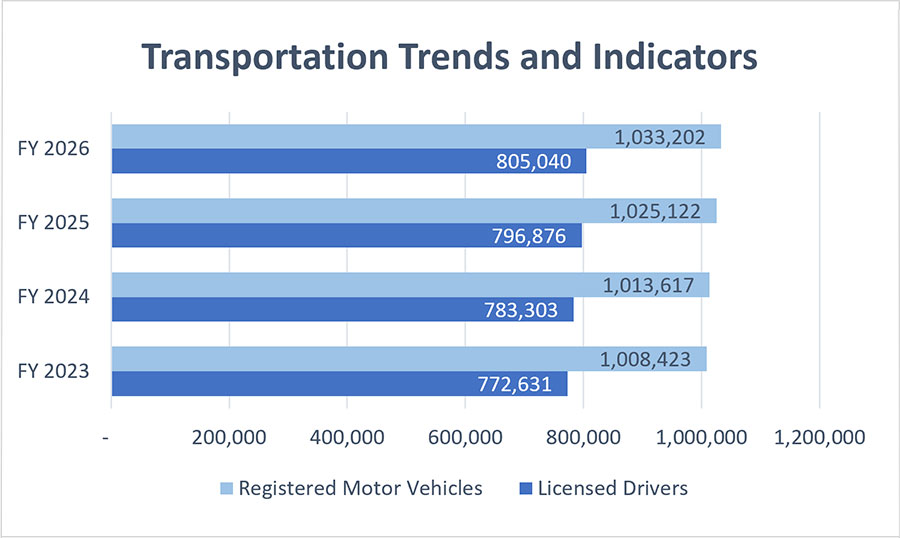
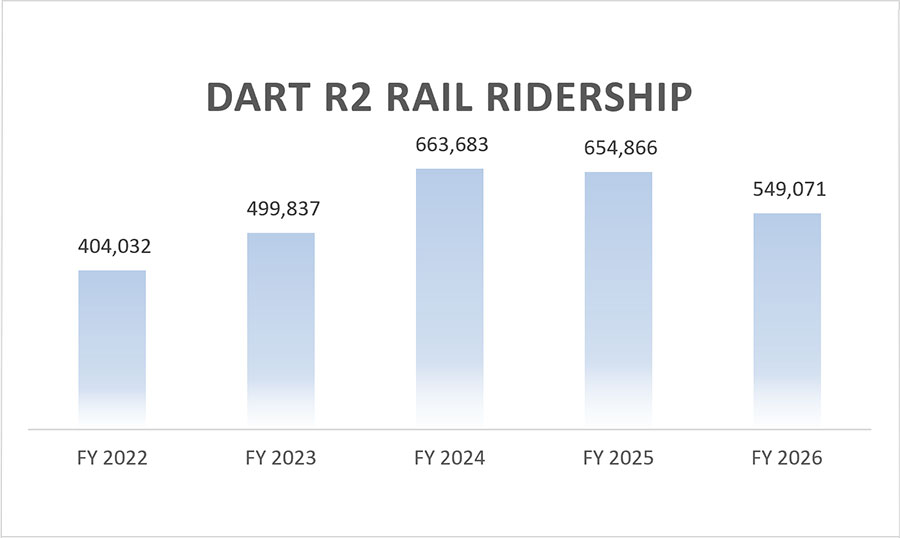
Since 2011, Delaware has prioritized expanding its non-motorized pathways and recreational trails to enhance safety for pedestrians and cyclists while promoting outdoor recreation. The Delaware Department of Transportation (DelDOT) has increased its funding for trails to $1.8 million in FY 2024. Additionally, DelDOT, managing 85% of the state's roads, has faced challenges from growing transportation demands. Key trends include rising licensed drivers, vehicle registrations, steady number of miles traveled, and drip in transit ridership, with total capital expenditures for transportation reaching $589,291 in FY 2026, underscoring ongoing investments in infrastructure.
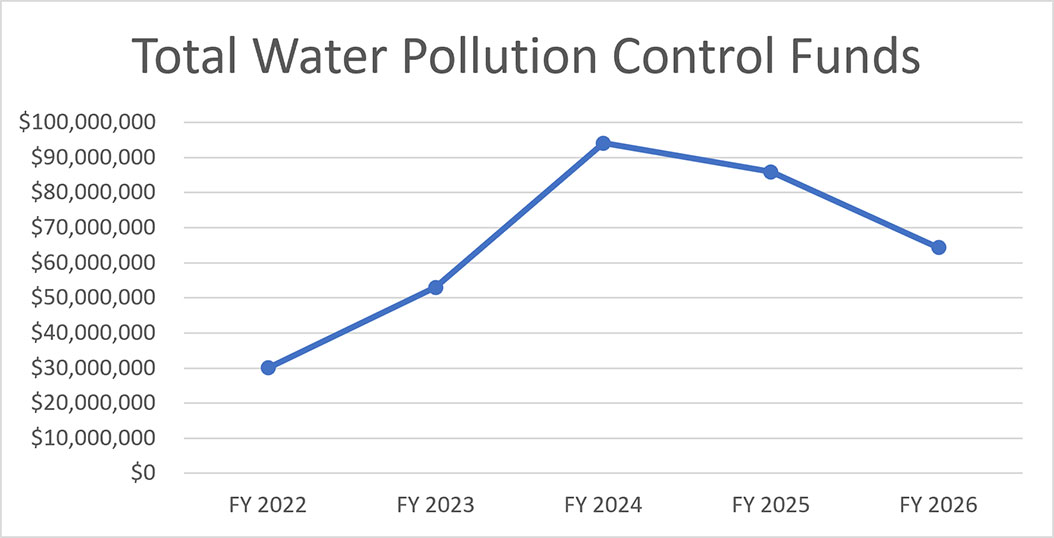
In Delaware, while local governments typically manage drinking water and wastewater systems, significant state and federal funding supports their improvement and expansion. The Delaware Department of Health and Social Services (DHSS) and the Department of Natural Resources and Environmental Control (DNREC) contribute through programs like the Water Pollution Control Revolving Funds. In FY 2026, wastewater project funding increased notably, with total support reaching $64.4 million, including state matches, federal grants, and principal and interest repayments. This funding has enabled the completion of 8 projects, reflecting a strong commitment to enhancing community wastewater services and addressing emerging contaminants.
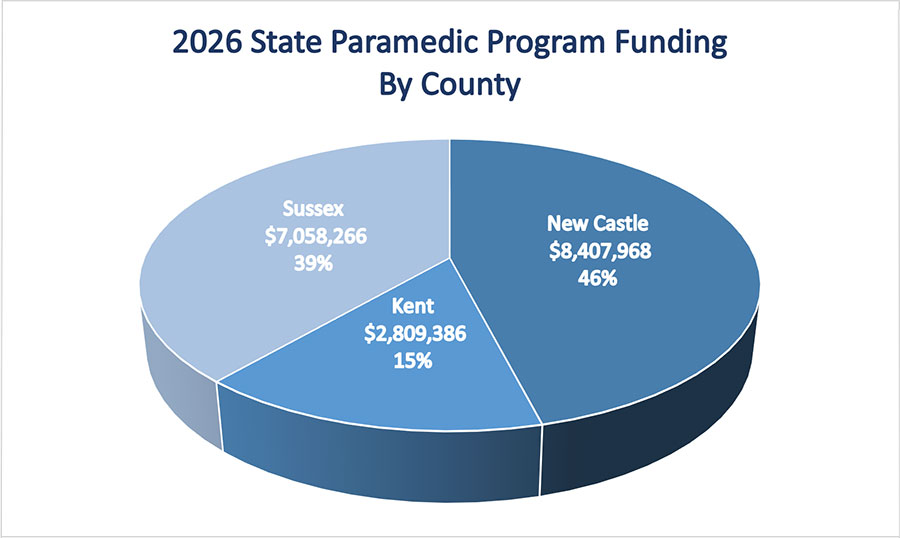
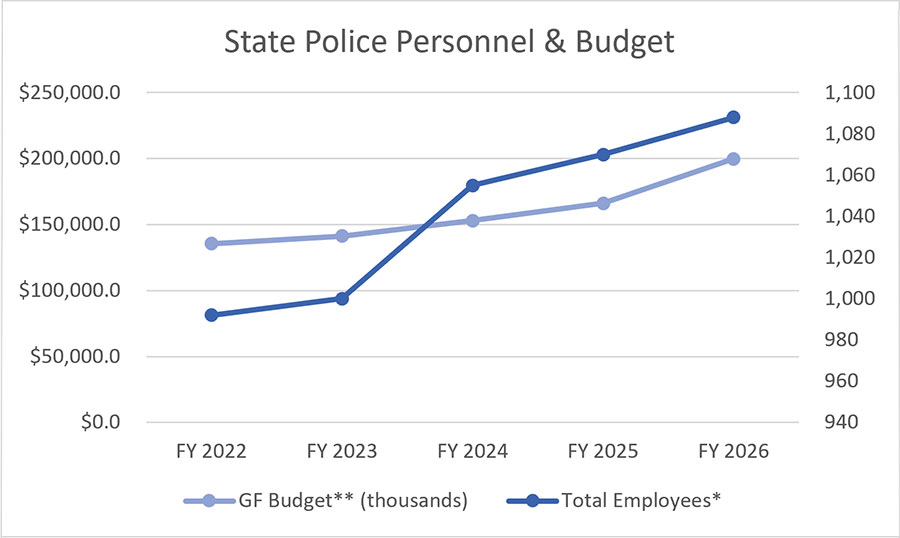
The State of Delaware provides 30% of the funding for county paramedic services, a consistent percentage across recent budget cycles. In FY 2026, state contributions to the program totaled $19 million, supporting paramedic operations in New Castle, Kent, and Sussex counties. Additionally, the Delaware State Police (DSP) delivers statewide public safety services, including traffic enforcement and policing in unincorporated areas of Kent and Sussex counties. DSP personnel increased to 1,088 employees in FY 2026, with a General Fund budget of $199.9 million, reflecting the state's ongoing investment in public safety.
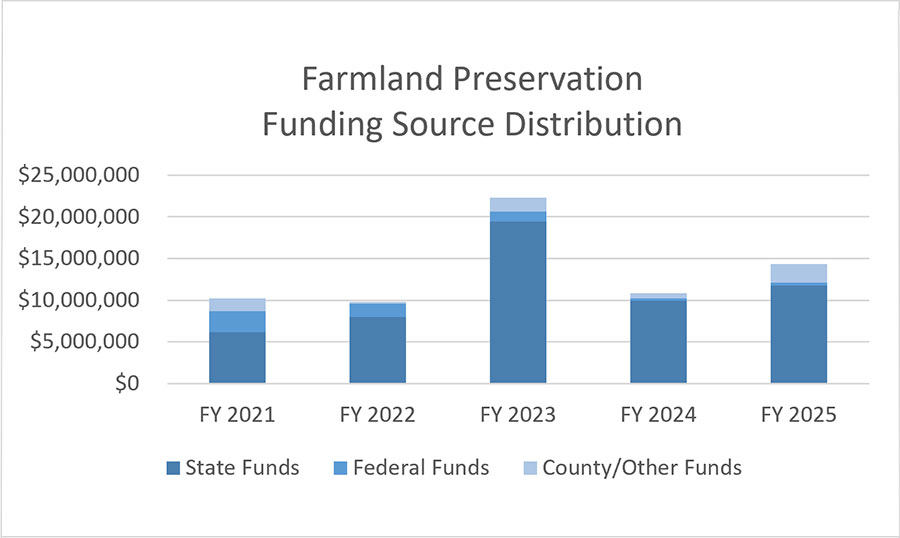
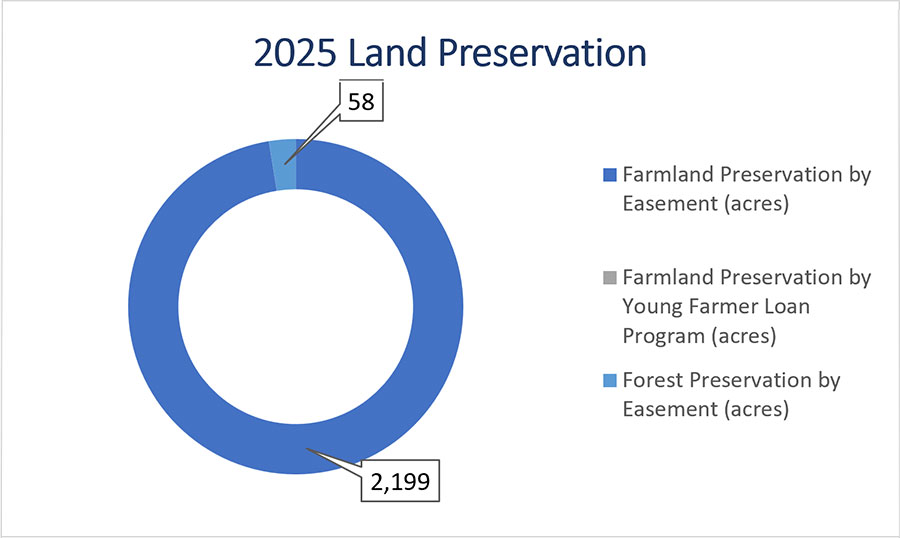
Delaware’s Agriculture Lands Preservation Program is one of the nation's most highly regarded, allowing farmers and landowners to sell development rights while continuing agricultural use. From FY 2021 to FY 2025, the state preserved 257 farms covering over 17,373 acres, supported by state, federal, and local funds totaling over $68 million. The Young Farmer Loan Program, established in FY 2012, helps new farmers acquire land, preserving 602 acres since 2021. Additionally, the Forestland Preservation Program has preserved forest tracts across the state, securing over 724 acres of forestland since 2020 through state and conservation funds. Data for FY26 is currently pending, once data is available it will be shared.
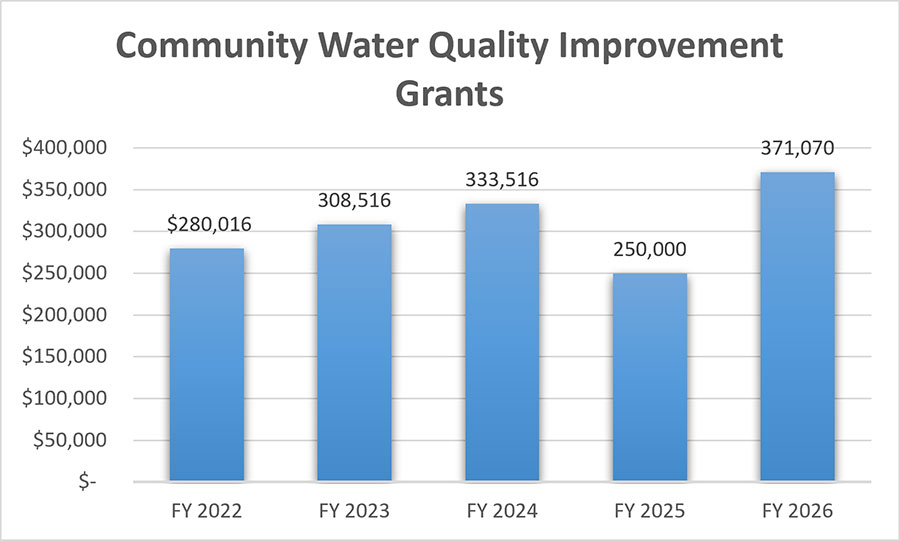
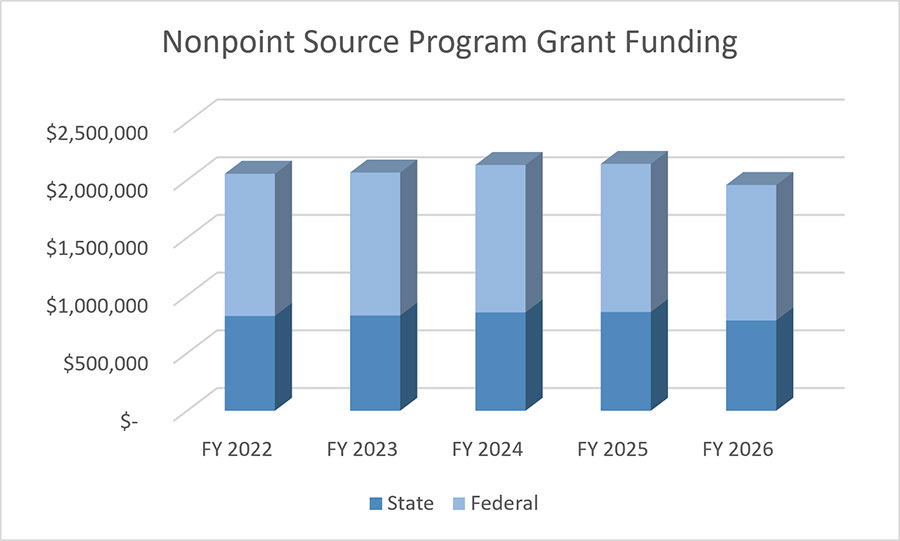
Delaware's environmental efforts focus on water quality improvement through various grant programs. The Community Water Quality Improvement Grant, funded by the Clean Water State Revolving Fund, supports projects improving water quality in local watersheds, with funding increasing from $280,016 in FY 2022 to $371,070 in FY 2026. The Nonpoint Source (NPS) Program tackles pollution from diffused sources like rainfall runoff, offering grants under the Clean Water Act. Funding for the NPS Program was consistent from $1.2 million in FY 2022 to $1.2 million in FY 2026. Additionally, the Surface Water Matching Planning Grant provides financial assistance to counties and municipalities for surface water project planning, with annual funds rising to $372,511 by FY 2026.
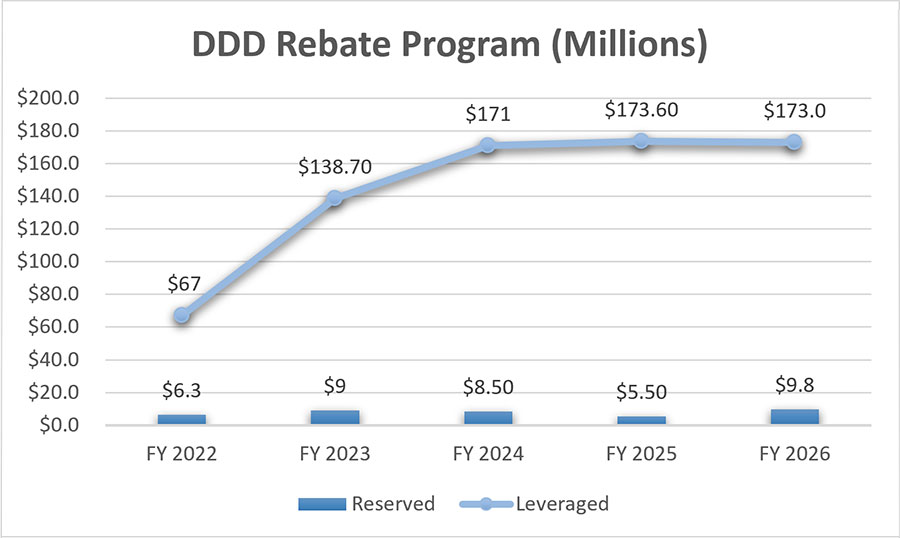
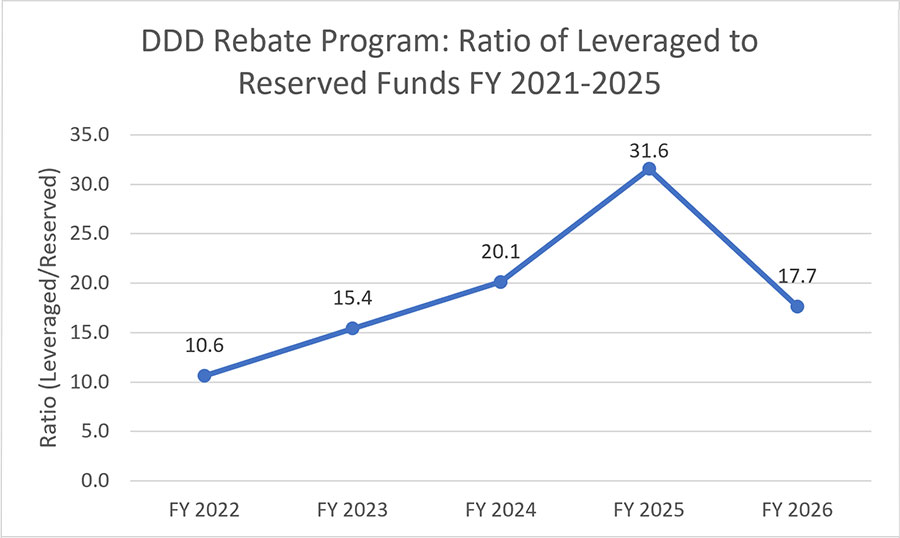
Strong partnerships, private investment, and public incentives continue to foster new retail and downtown developments, driving job growth and enhancing the commercial vitality of Delaware's towns and cities. Established by the General Assembly in 2014, the Downtown Development District (DDD) program was designed to spur private investment in commercial districts and surrounding neighborhoods. This program has proven highly effective in revitalizing struggling downtowns, leveraging significant private investment. For example, from FY 2022 to FY 2026, the DDD Rebate Program reserved between $6.3 million and $10 million annually, leveraging hundreds of millions in redevelopment projects across the state.